50–64
A previous osteoporosis-related fracture
At least 2 clinical risk factors

Beyond Your Scan Experience
For most people, bone health is invisible until it isn’t. A quick, radiation-free REMS bone scan is followed by clear education, so you know what your results mean and what to do next.
Stronger tomorrow starts
with knowledge today
Your why
Bone loss is silent. There is no warning light, and it usually doesn’t hurt, until a fracture.
Most people reach peak bone mass by their late 20s or early 30s. From then on, the goal is to protect or build on what you have.
Falling estrogen has a profound effect on bone. Bone loss can speed up in the years around menopause, often without any symptoms.
Some cancer treatments, long-term prednisone and certain antiseizure medications can all affect bone.
A REMS scan is radiation-free and takes just minutes.
The Beyond Your Scan difference
Knowing your results matters. Understanding them empowers you to ask questions, advocate for your health and take your next steps with confidence.
An Experience Built With Intention, so every client feels seen, heard, believed and supported. Medical oversight, a personalized nurse practitioner review and education help you become an informed, active partner in your care.
Your care pathway
Beyond Your Scan is backed by a team of passionate professionals committed to prevention, patient education, empowerment and changing the legacy of healthcare.
And we believe you are the most important part of this team.Welcome to Beyond Your Scan.
Our approach meets Ontario’s professional regulatory requirements through Nurse Practitioner referrals, CMRITO-registered sonographers and personalized results consultations with a Nurse Practitioner. This integrated model supports eligibility for extended healthcare reimbursement, subject to your individual benefits plan.
Book your scan and our Nurse Practitioner will review your intake form, determine eligibility and, where appropriate, provide a requisition for the scan. You can also get a referral from your doctor.
Receive a safe, non-invasive bone scan that measures bone density and quality.
Learn about bone health and lifestyle strategies with a regulated health professional.
Explore expert videos from Dr. Kristy Prouse, trusted resources and practical lifestyle tools.
Review your results with a Nurse Practitioner and discuss referrals and next steps for your care.
Know the difference
Bone density matters, but it isn’t the whole story of bone strength. Together, density and quality give a more complete picture of bone health.
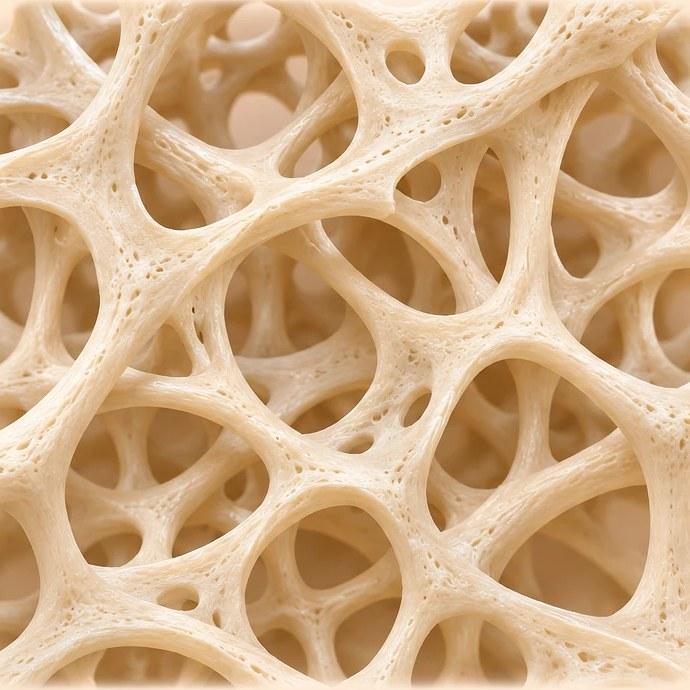
How much mineral is present in bone.
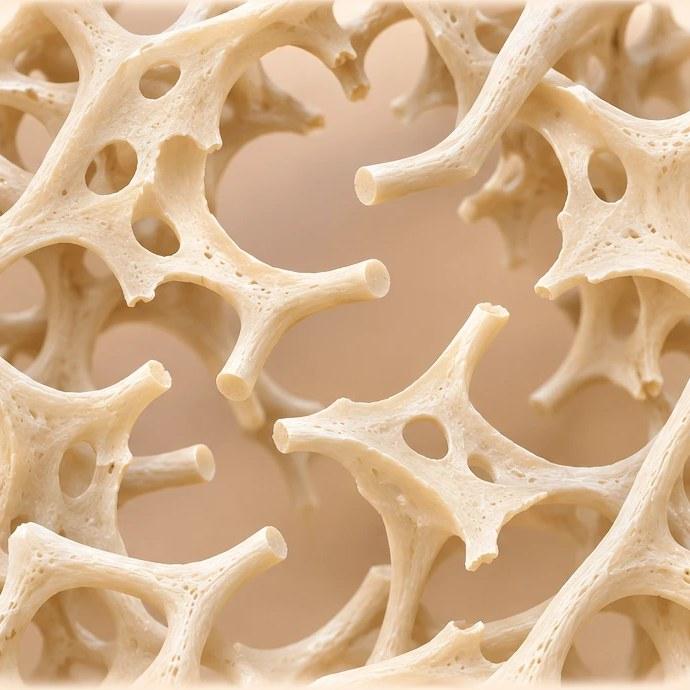
Information about structure, strength and fragility.
Which one is stronger?
 Material matters
Looks thick and solid. But if the mortar fails and the foundation crumbles, all that mass can be deceiving.
 Structure matters
Uses far less material, so it is less dense. However, the microarchitecture, the arrangement and connections of bone’s internal scaffolding (the framework), is strong like the Eiffel Tower.
Density tells you how much mineral is there. Quality tells you how well it’s built. REMS measures both, giving you a Fragility Score and fracture risk from your scan. Standard DXA measures density only. Your results are always read alongside your full health history.

Canadian guidelines
Clinical risk factors matter.
Stronger tomorrow starts
with knowledge today
A previous osteoporosis-related fracture
At least 2 clinical risk factors
1 clinical risk factor
No risk factors needed
Fracture-risk assessment uses the broader clinical picture, including risk factors, not BMD alone.Source: Osteoporosis Canada clinical practice guideline, 2023.
Most people reach peak bone mass by their late twenties or early thirties. Without risk factors, routine baseline testing isn’t recommended until 70. That leaves decades in which habits, hormones, health conditions and medications may be affecting bone, with no baseline and no feedback.
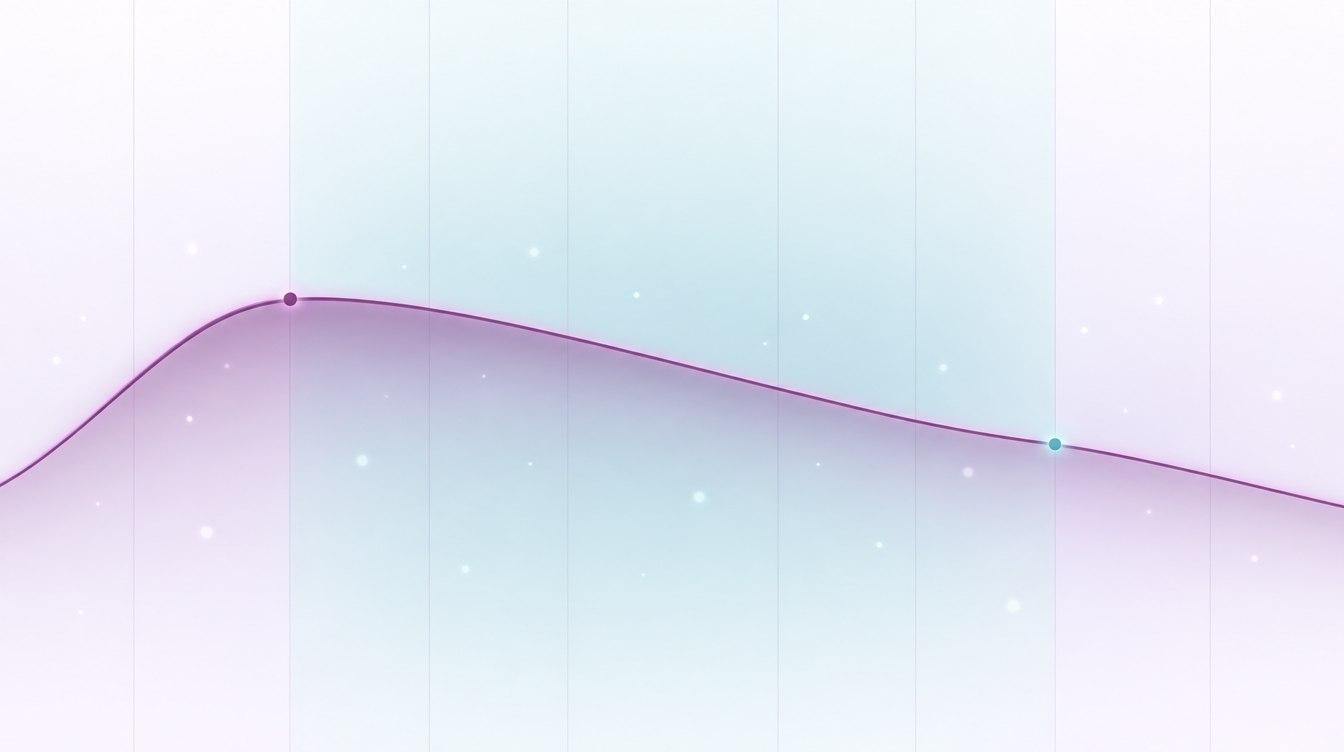
Ontario, from April 1, 2026: OHIP generally funds a repeat BMD test only once every 36 months for people considered high risk. Osteoporosis Canada has said these rules are not consistent with its 2023 guideline.
Never stop a prescribed medication because of a scan or a website. Talk with the clinician who prescribed it.
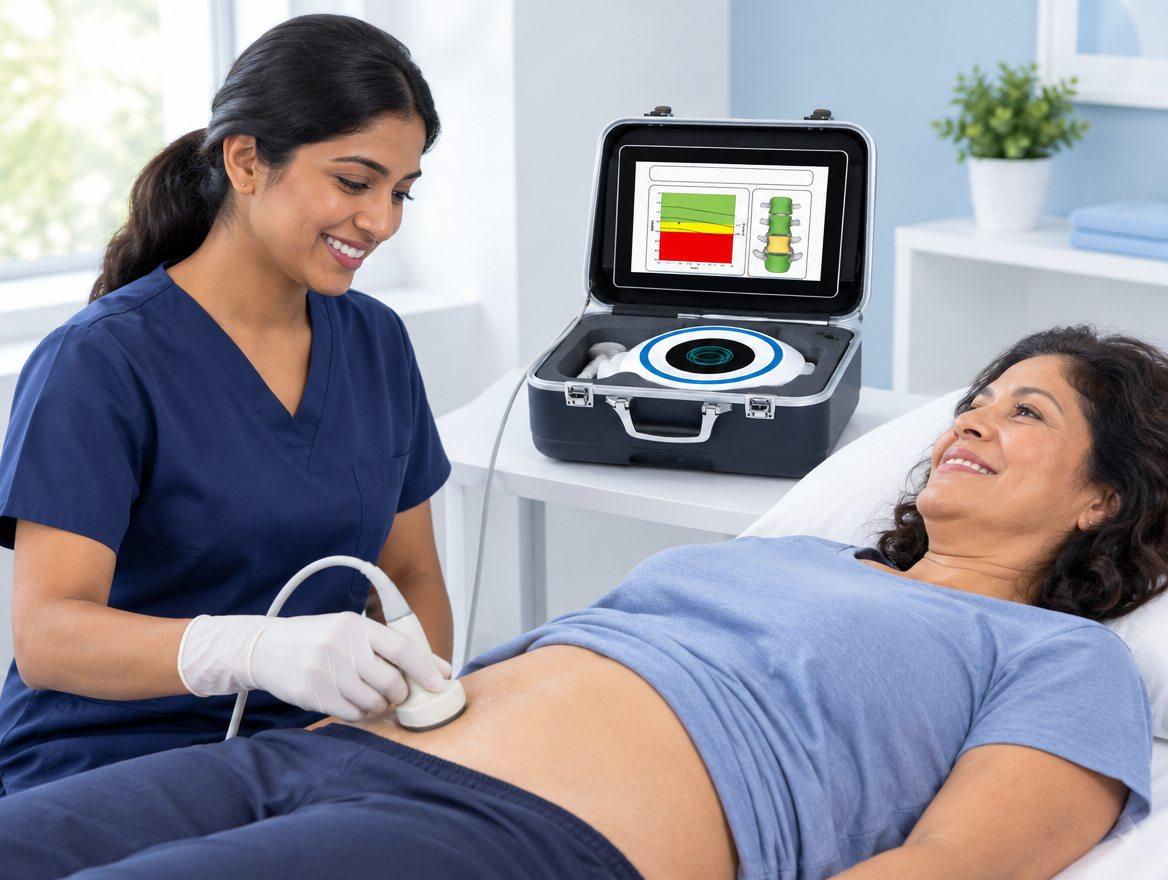
Simple. Safe. Insightful.
A comfortable, non-invasive assessment that takes just a few minutes.
about, for the lumbar spine
about, for the femur (hip)
You lie comfortably on an exam table. Only the two regions of interest (abdomen and hip) will be exposed, while also ensuring your privacy.
A Diagnostic Medical Sonographer or Nurse Practitioner uses an ultrasound probe at the lumbar spine and both hips.
Specialized software analyzes the results, and we review them with you.
Your results
Your report places your bone mineral density on a chart for your age, and adds a Fragility Score and a 5-year fracture risk estimate.
These are two sample pages from a full REMS report, with example values for a fictional patient. Your full report has more pages, and we walk through all of it with you in plain language.
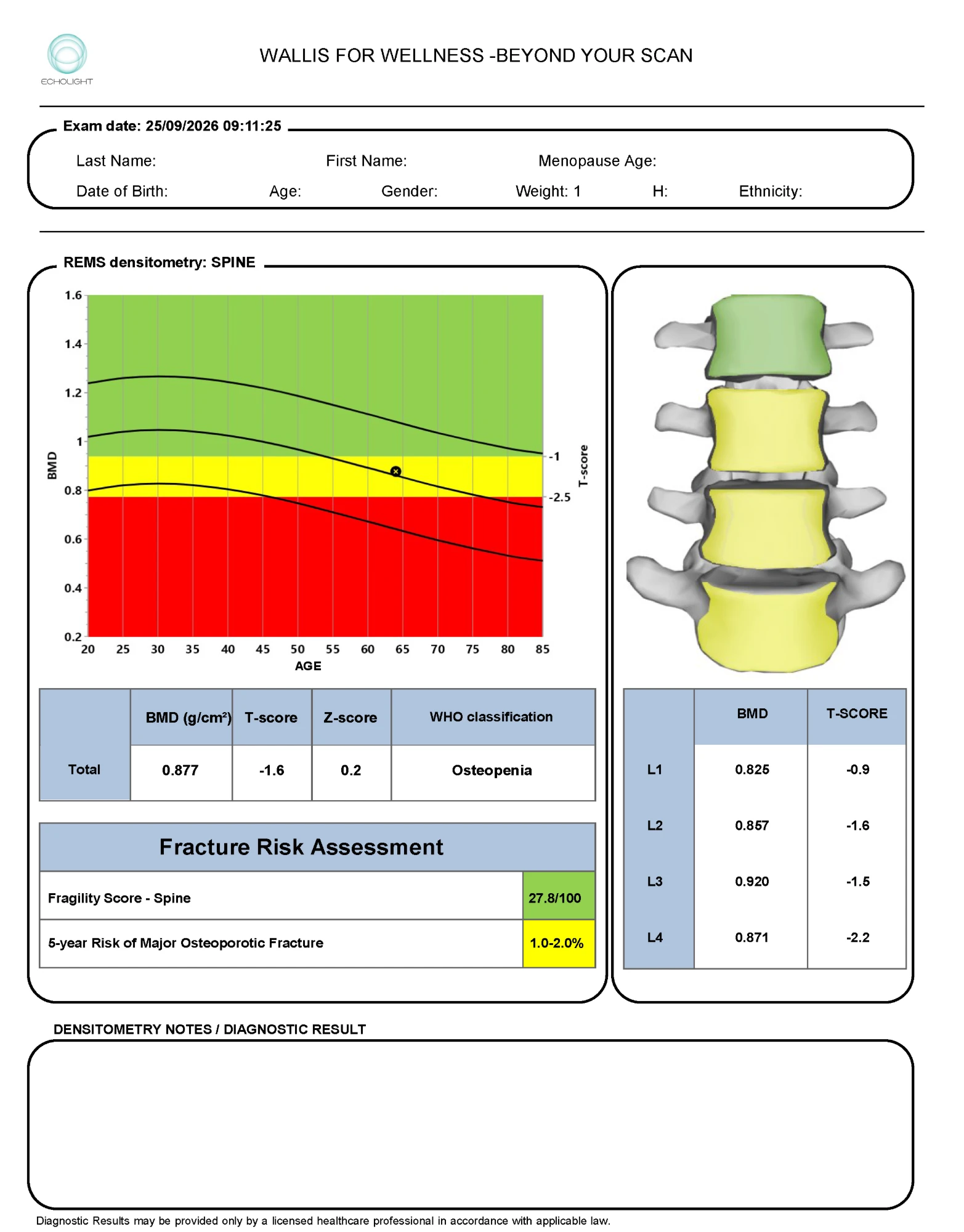
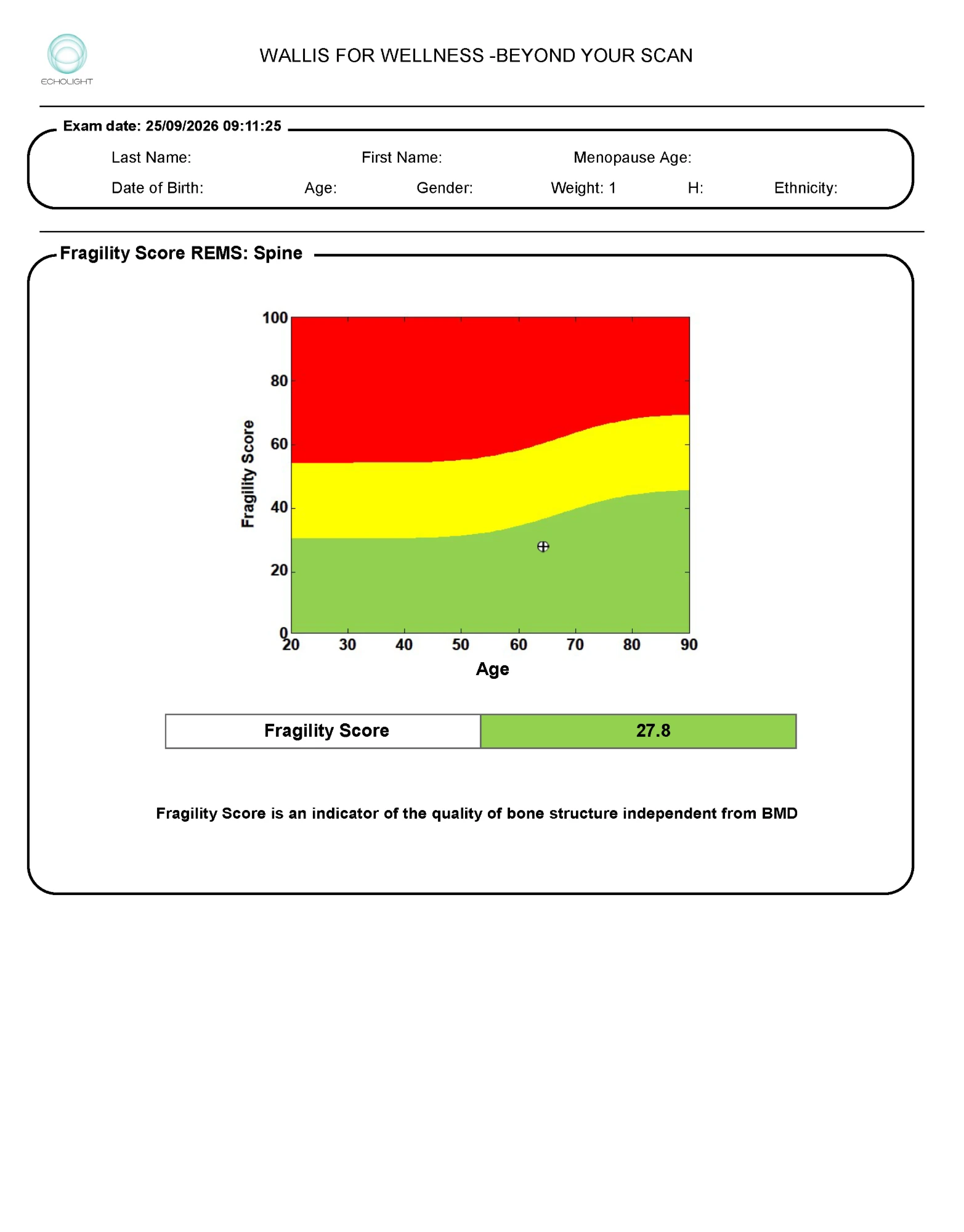
Scroll inside the screen to see both pages.

The whole person
Bone health is influenced by the whole person. Multiple factors work together for healthier bones at every stage of life.
Your unique internal blueprint.
How you move through life and stay independent.
Daily habits that support stronger bones.
REMS and DXA
Both provide valuable information. They use different technologies and measure different aspects of bone health.
| Compare | REMSUltrasound-based | DXAX-ray based |
|---|---|---|
| Radiation | No radiation | Uses low-dose ionizing radiation |
| What it measures | Bone mineral density (BMD) and fragility insights | Bone mineral density (BMD) only |
| Follow-up | Can be repeated to track progress | Repeat scans usually limited due to radiation exposure |
| Portability | Portable, suitable for pop-up clinics | Typically a fixed location (large equipment) |
Both can play a role in bone-health assessment.
DXA remains the established clinical reference standard. REMS does not replace clinical judgment or DXA. It is another evidence-informed way to look that can open an earlier, richer conversation about bone strength.
Good news at any age
Bone mineral density and bone quality can both be impacted by your lifestyle choices, even as you age. Choose wisely.
So let’s not wait until we break. Let’s look sooner… and get into action by surrounding yourself with an integrative healthcare team so that you can get into the driver’s seat and become the CEO of your health.
Protein is a building block for bone and the muscle that protects it.
Gradually increasing resistance loads your bones so they adapt and get stronger.
Short, safe bursts of impact give bone a healthy signal to build. Always done in consultation with your integrative health team to ensure safety.
Better balance means fewer falls, and fewer falls means fewer fractures.
A healthy gut helps your body absorb the nutrients bone needs.
Knowing what your hormones and medications are doing helps you and your team plan.
Because REMS uses no radiation, you can check in on a regular schedule. That makes it easier to put a plan in place with your care team and see how your bones respond over time.
Why this matters in Ontario: since April 2026, OHIP generally funds a repeat DXA only once every 3 years for most people.
Want to be proactive? Get a comprehensive picture of your bone health, so you can get into action sooner, live with strength and vitality, and help prevent fractures.
Book your scanBody composition
Your Beyond Your Scan experience brings together bone health and body composition insights in one convenient, radiation-free appointment.
The integrated body composition module also provides:
The module uses ultrasound information collected through your abdomen during the lumbar spine scan, together with your personal measurements, to generate these results.
This is a different method from whole-body DXA body composition testing. The ultrasound-based approach has been evaluated against bioelectrical impedance analysis (BIA), but does not itself perform a bioimpedance test.
All during your REMS scan. No separate device or second scan, and it’s included in your scan fee.
These additional insights give you and your healthcare team more information to support conversations about nutrition, movement and your personal health goals.
At Beyond Your Scan, we help you understand your results and put them into context, because knowing your numbers is just the beginning.
Body composition results are estimates that complement your health history and other clinical assessments. They are not interchangeable with whole-body DXA body composition measurements.
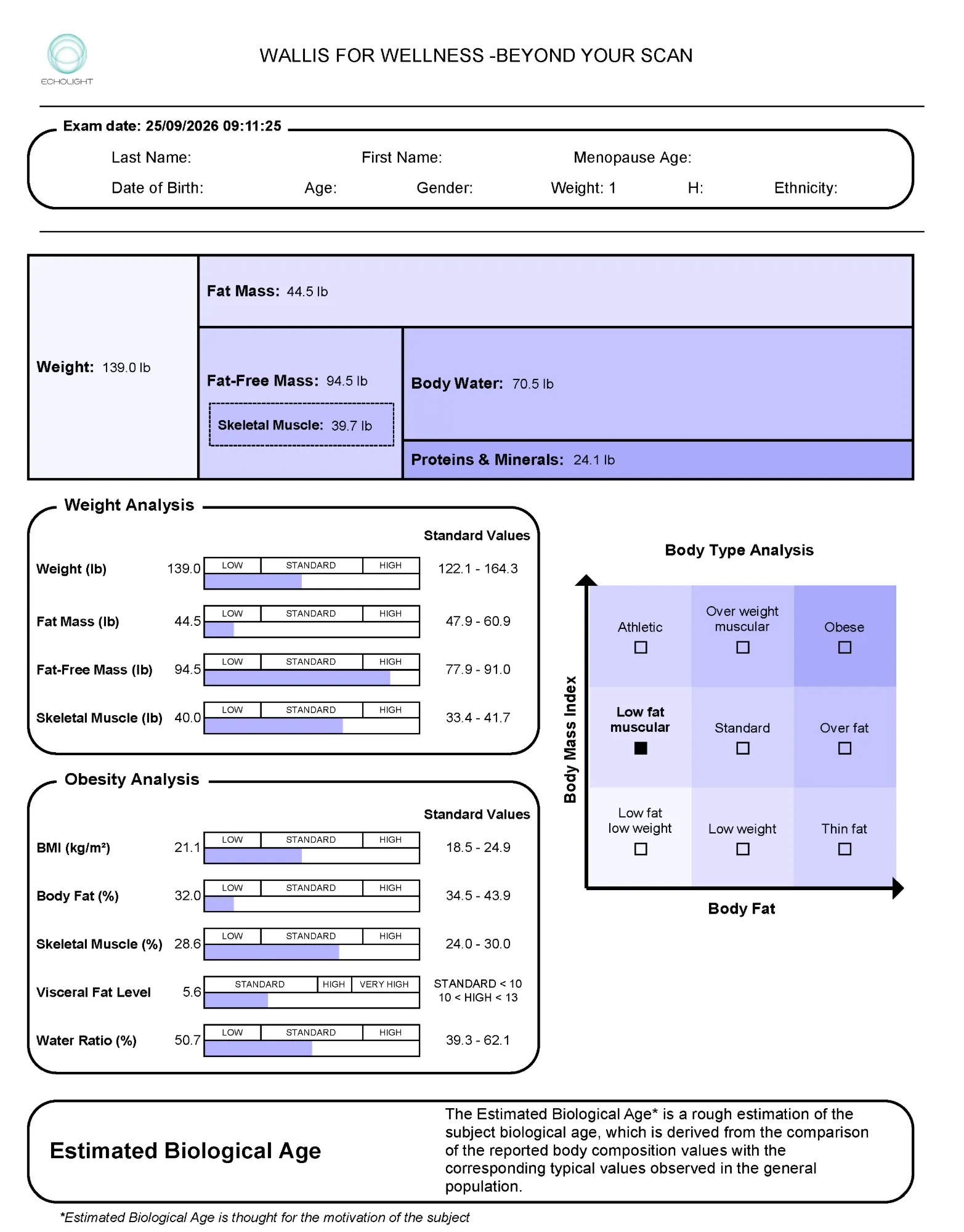
Sample report. Scroll inside the screen to see the whole page.
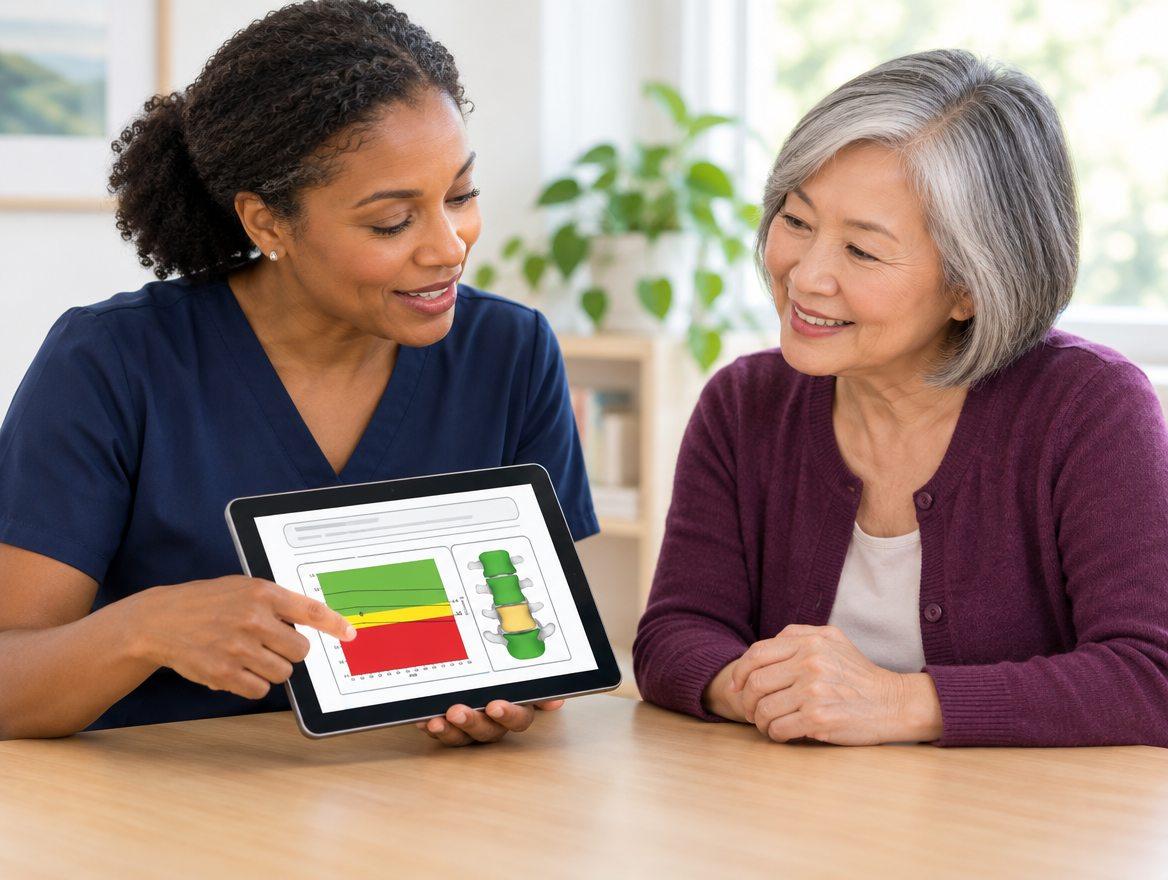
A good CEO doesn’t do every job. They ask better questions, gather the right team and make informed decisions. We provide the knowledge, tools and connections. You stay at the centre of your care.
Knowledge today, stronger tomorrow
Book your REMS bone health assessment and step into the driver’s seat of your health.
Book your scan